Relating different views of a person
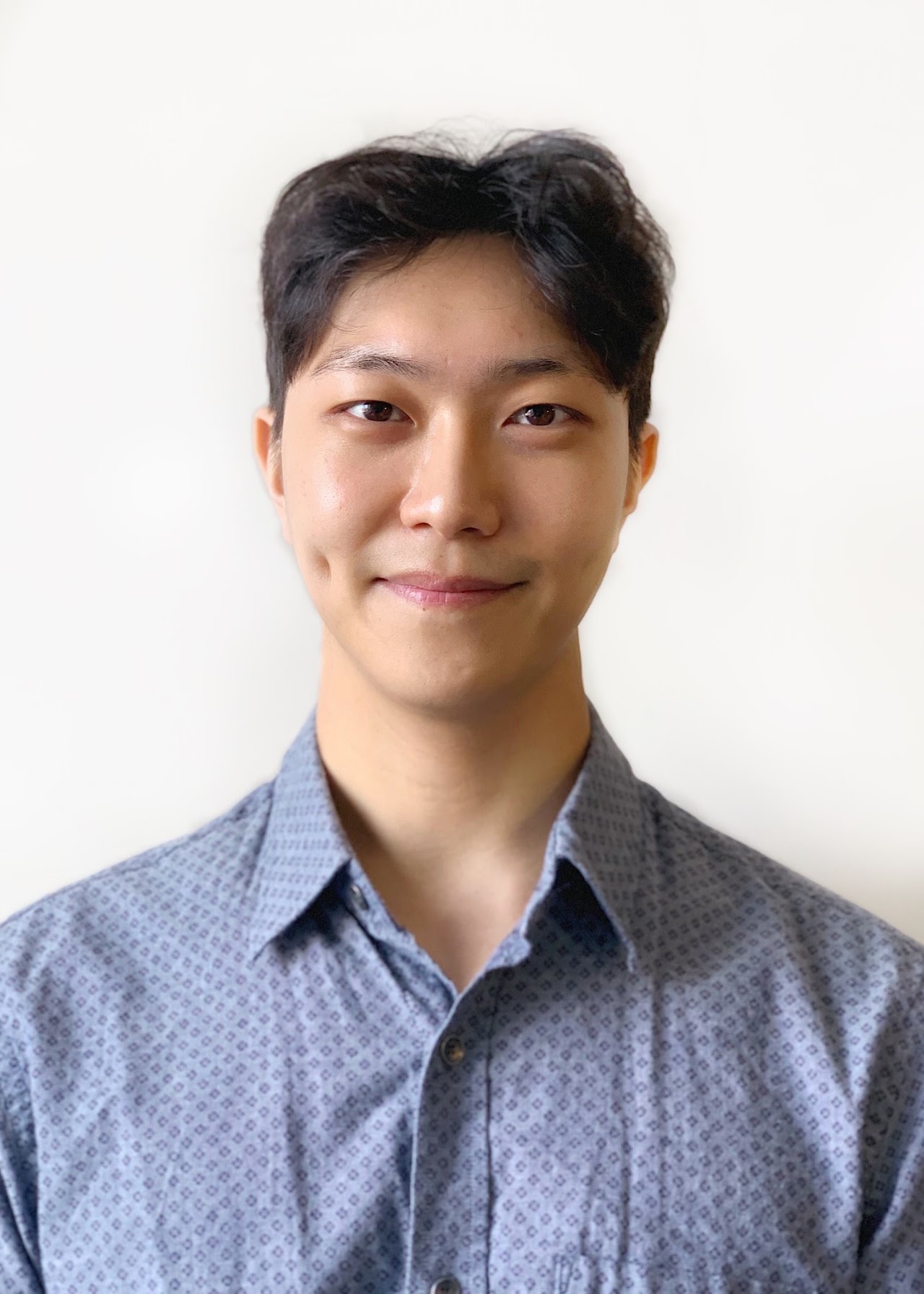
Jiook Cha studies cognition, emotion, and mental health through the relationships among genes, brain connectivity, behavior, and environment. His interest extends to experiences that are difficult to put into words. Thoughts expressed in language, choices observed in behavior, and signals recorded from the brain offer different views of human experience; bringing them into relation is a continuing research question.
SNU faculty profile Explanation, prediction, and new tools
He emphasizes learning to work with theoretical models that explain phenomena and AI models that learn predictive patterns from data. The aim is to bring predicting what happens closer to explaining why it happens. This requires the ambition to try new methods and the willingness to revise an explanation when the evidence does not support it.
For example, SwiFUN predicts task responses from resting brain activity and evaluates overall map similarity separately from the ability to distinguish individuals. The models had different strengths on these criteria. The study shows why asking precisely what a model predicts matters for understanding individual differences.
SwiFUN: predicting task responses from rest Judgment in the age of AI
This concern also informs his thinking about human–AI interaction. Accepting an AI answer and revising a personal belief both require judgment. In his 2026 public symposium abstract on the evolutionary adaptation of the human–AI cognitive ecosystem, he asked how people can remain open to new evidence while retaining the ability to think for themselves.
Read the symposium abstract (PDF, p. 7)